Discover the Wild Beauty of Altai Tavan Bogd National Park
Experience the breathtaking wilderness of Mongolia’s western Altai Mountains on an unforgettable trekking adventure through snow-capped peaks, ancient glaciers, remote valleys, crystal-clear rivers, and vast alpine landscapes. Far from crowded tourist destinations, the Mongolian Altai offers an extraordinary opportunity to explore one of Central Asia’s most spectacular mountain regions while experiencing the hospitality and traditions of local Kazakh nomadic communities.
Our Altai Mountain trekking adventure combines rewarding mountain hikes, wilderness camping, traditional local culture, and the comfort of a dedicated support team. From your arrival in Ulaanbaatar to your journey into the mountains and your return to Ölgii, we organize the essential logistics so you can focus on enjoying the adventure.
Whether you dream of standing beneath the mighty Tavan Bogd peaks, exploring the surroundings of the Potanin Glacier, photographing dramatic alpine scenery, or discovering the traditional lifestyle of western Mongolia, this journey offers a genuine wilderness experience.
Destination: Altai Tavan Bogd National Park, Bayan-Ölgii Province, western Mongolia
Recommended duration: 9–11 days, including domestic flights and transfers
Trekking duration: Approximately 4–6 days, depending on the selected route
Difficulty: Moderate to challenging
Accommodation: Hotels or ger camps in Ölgii and fully supported tent camping in the mountains
Best season: Generally June to September, depending on snow conditions, weather and route accessibility
Travel style: Guided small-group or private trekking expedition
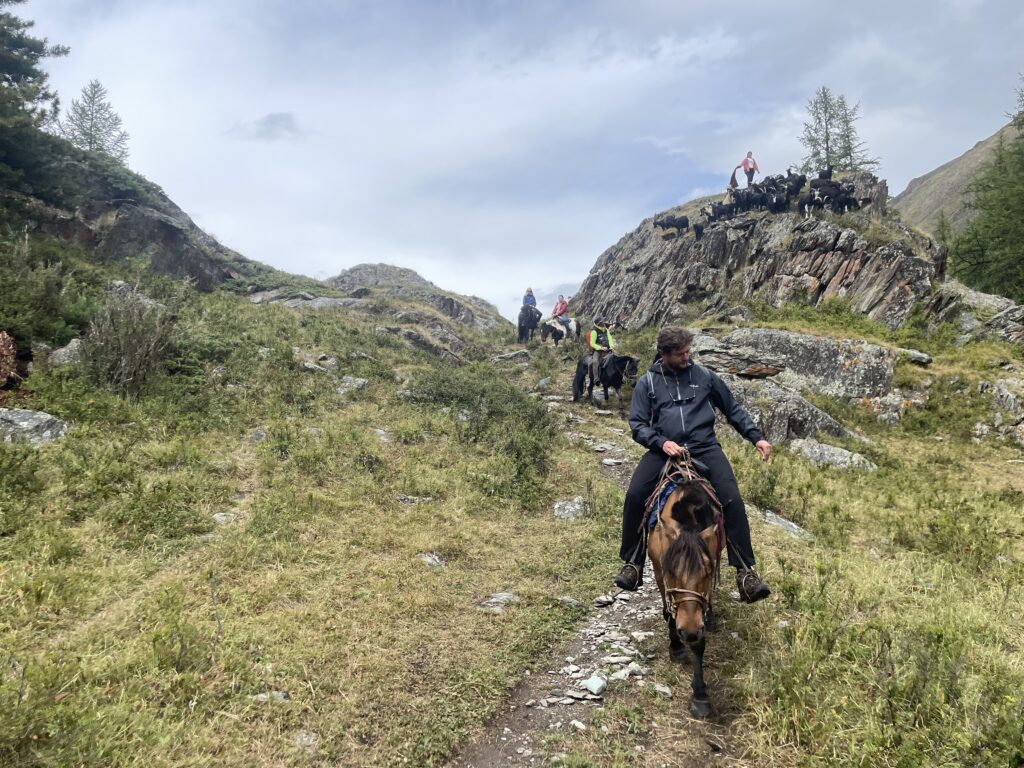
The duration, route and difficulty can be customized according to your travel dates, fitness level and trekking objectives.
Why Trek in the Mongolian Altai?
The Altai Mountains are among Mongolia’s most spectacular natural treasures. Located in the far west of the country, the region is known for its dramatic mountain scenery, glaciers, remote wilderness, traditional nomadic culture and exceptional opportunities for outdoor adventure.
Altai Tavan Bogd National Park encompasses a vast landscape of towering peaks, mountain valleys, cold rivers, alpine lakes and wildlife habitat. The Tavan Bogd massif includes Khüiten Peak, which rises to approximately 4,374 metres and is Mongolia’s highest mountain.
During your trek, you can experience:
- Magnificent mountain scenery: Enjoy panoramic views of the snow-covered peaks of the Mongolian Altai.
- Glaciers and alpine landscapes: Explore trekking routes with views of the impressive Potanin Glacier, subject to the chosen itinerary and conditions.
- Remote wilderness: Walk through quiet valleys, open mountain terrain and landscapes far from busy roads and towns.
- Authentic Kazakh culture: Meet local families, discover traditional hospitality and learn about life in western Mongolia.
- Unforgettable camping: Spend nights beneath vast skies, surrounded by mountain scenery and the peaceful sounds of nature.
- Photography opportunities: Capture spectacular mountain views, changing weather, wild landscapes and traditional nomadic life.
The Altai is not simply a trekking destination. It is an opportunity to experience Mongolia’s wild nature and distinctive cultural heritage in a personal and memorable way.
How to Get to Altai Tavan Bogd National Park
Your journey begins in Ulaanbaatar, Mongolia’s capital, before continuing west to Ölgii, the provincial capital of Bayan-Ölgii. From Ölgii, a local driver and 4WD vehicle take you into the remote mountain region where your trekking adventure begins.
Step 1: Arrive in Ulaanbaatar
International travelers generally arrive at Chinggis Khaan International Airport in Ulaanbaatar.
Depending on your international flight schedule, you can spend a night in the capital before continuing to western Mongolia. This provides time to rest after your international journey, prepare your personal equipment and enjoy an optional introduction to Mongolian culture.
Accommodation in Ulaanbaatar can be arranged according to your budget, from comfortable hotels to boutique guesthouses and luxury properties.
Step 2: Fly from Ulaanbaatar to Ölgii
From Ulaanbaatar, take a domestic flight to Ölgii Airport in Bayan-Ölgii Province.
The flight typically takes approximately three hours, although schedules and flight times can vary. Flights may operate seasonally or on particular days, so it is important to confirm the current timetable before booking your international flights.
Upon arrival in Ölgii, our local team can meet you at the airport and transfer you to your hotel or ger camp.
Depending on your arrival time, you can explore the town, visit local shops, purchase any missing personal supplies and meet your trekking guide for a pre-trip briefing.
Step 3: Travel from Ölgii to Altai Tavan Bogd National Park
The following day, your adventure continues by road into the remote landscapes of the Mongolian Altai.
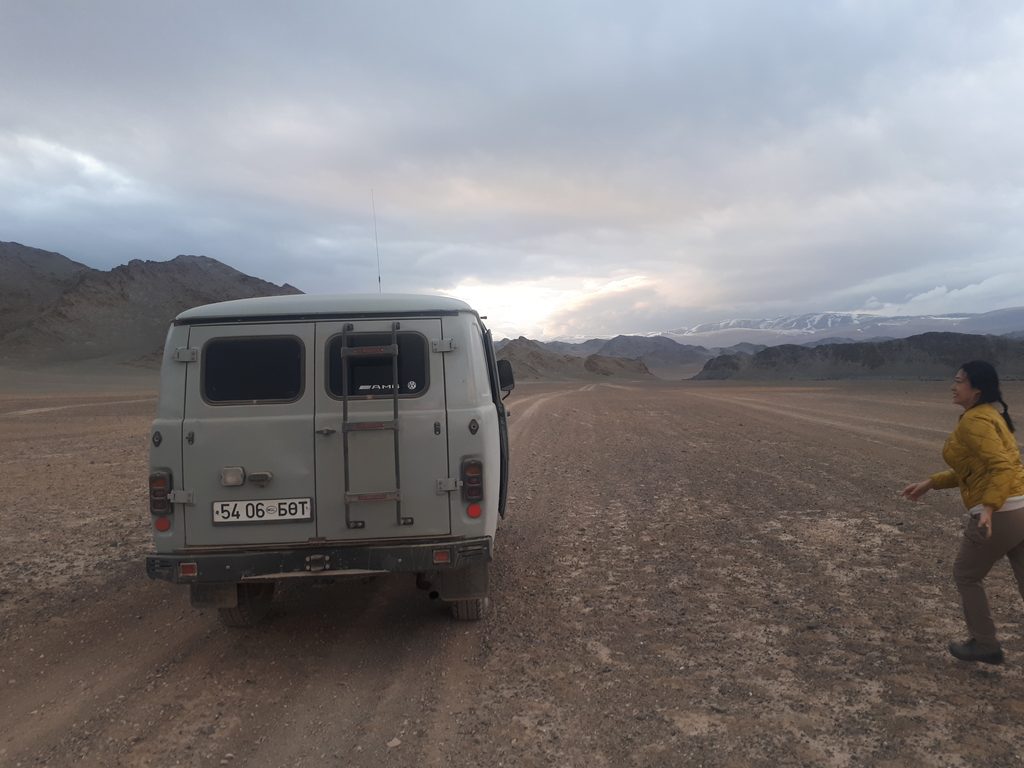
Your local driver will transport you in a suitable 4WD vehicle, such as a properly equipped off-road vehicle, depending on the group size and road conditions.
The drive can take approximately five to eight hours or longer, depending on your chosen trailhead, weather, river crossings and road conditions. Distances and travel times vary between routes.
During the journey, you will pass through open steppe, mountain valleys, rivers and traditional pastoral landscapes. The road itself becomes part of the adventure, offering a first glimpse of the remarkable scenery of western Mongolia.
Before entering the park, the local team will coordinate the necessary park-entry and applicable border-zone permissions.
Upon reaching the designated starting point, the crew will organize the camping equipment, food supplies and luggage. You will then prepare for your first night in the mountain wilderness or begin trekking, depending on the itinerary.
Important: Altai Tavan Bogd is a remote and rugged destination. There are no conventional roads to many trekking areas, and the journey requires careful planning, experienced local drivers and flexibility.
Your Local Trekking Support Team
A successful Altai trekking expedition depends on more than a good trail. Because the region is remote and facilities are limited, a reliable local team is essential.
Our trekking arrangements can include the following services.
Experienced Local Trekking Guide
Your local guide leads the trek, manages the daily route and helps you understand the landscape, environment and local culture.
The guide is responsible for route planning, monitoring weather and trail conditions, maintaining group communication and adjusting the itinerary when necessary.
An English-speaking guide can explain the region’s natural features, nomadic traditions and mountain environment while helping international travelers navigate the remote terrain.
Professional Local Driver
Your driver transports the group between Ölgii and the national park, takes care of the agreed road transfers and coordinates the return pickup.
Experienced local drivers are particularly important in western Mongolia, where rough tracks, river crossings, changing weather and remote locations can make travel challenging.
The vehicle and driver remain available according to the agreed itinerary and transfer arrangements.
Trekking Cook
A dedicated cook prepares meals throughout the camping portion of your expedition.
Meals can include a combination of hearty Mongolian dishes, rice, pasta, vegetables, soups, eggs, meat and other suitable ingredients, depending on supply availability and dietary requirements.
Breakfast, packed lunches and hot evening meals help keep you energized throughout the trek.
Please inform us in advance of vegetarian, vegan, halal, allergy-related or other dietary requirements so that suitable arrangements can be discussed.
Camping and Logistics Crew
Depending on the route and group size, additional support staff may help transport supplies, set up camp and prepare the dining area.
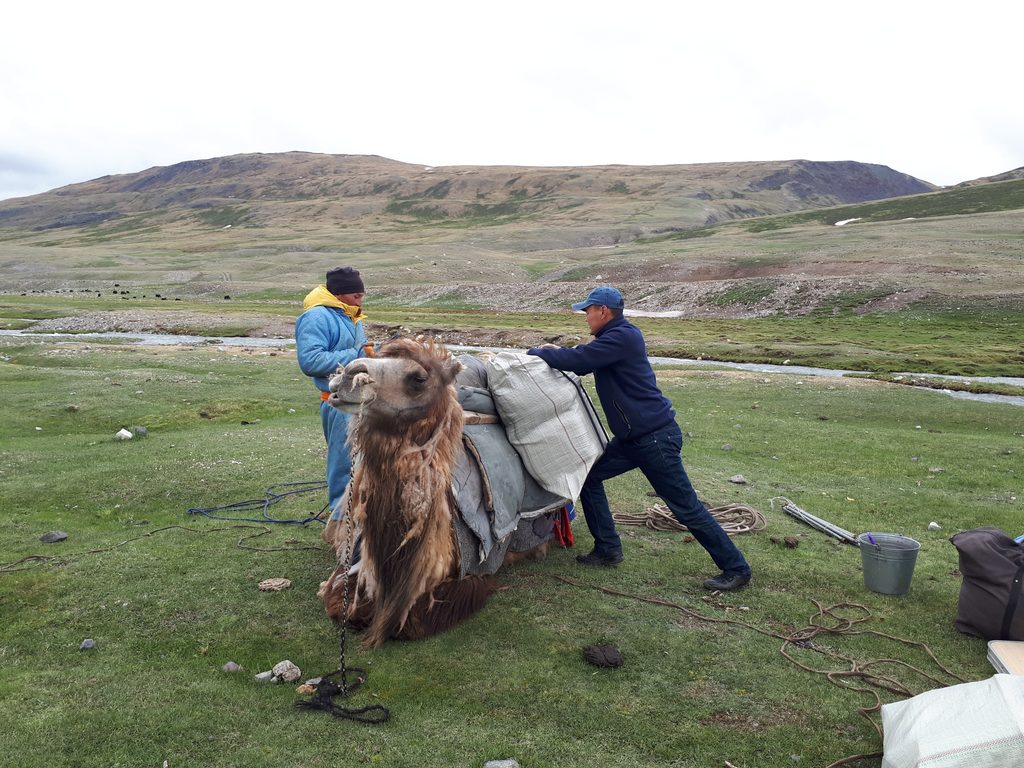
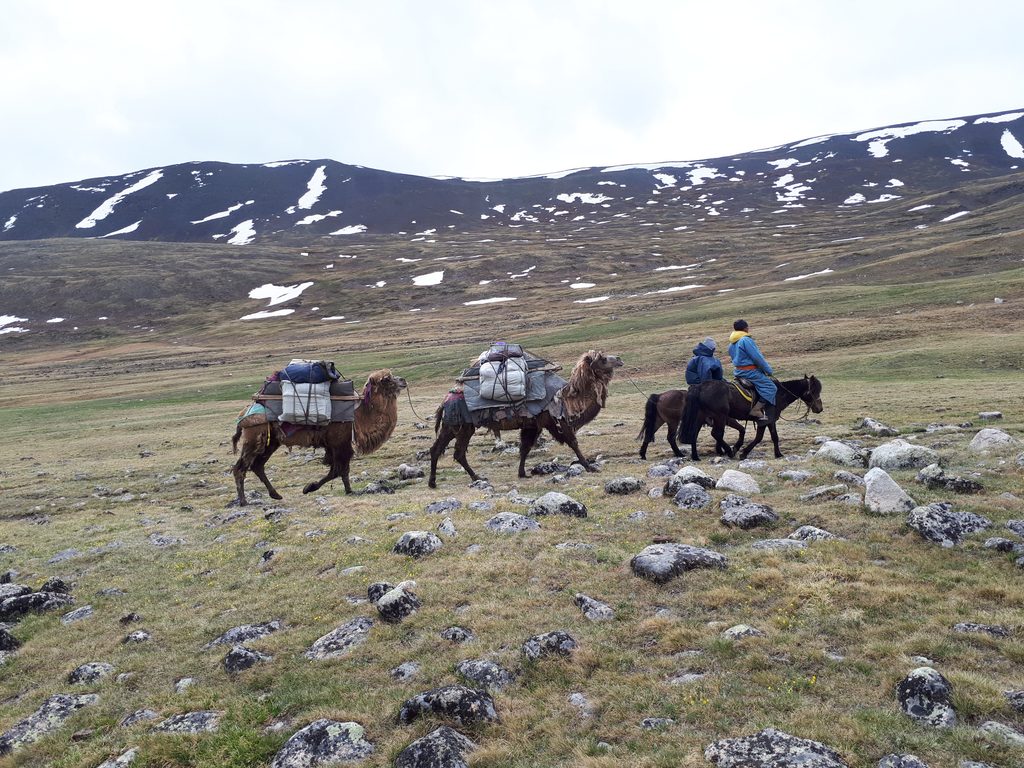
Pack animals, such as horses or camels, may be arranged for routes where they are appropriate and available. This allows essential equipment and supplies to be transported without requiring trekkers to carry every item themselves.
The size of the support team depends on the number of participants, route, duration and whether pack animals are used.
Camping Accommodation During the Trek
One of the highlights of trekking in the Altai is spending nights in the heart of the wilderness.
Unlike popular trekking destinations with mountain lodges and established guesthouses, much of Altai Tavan Bogd has very limited accommodation infrastructure. Camping is therefore the main accommodation style for multi-day trekking expeditions.
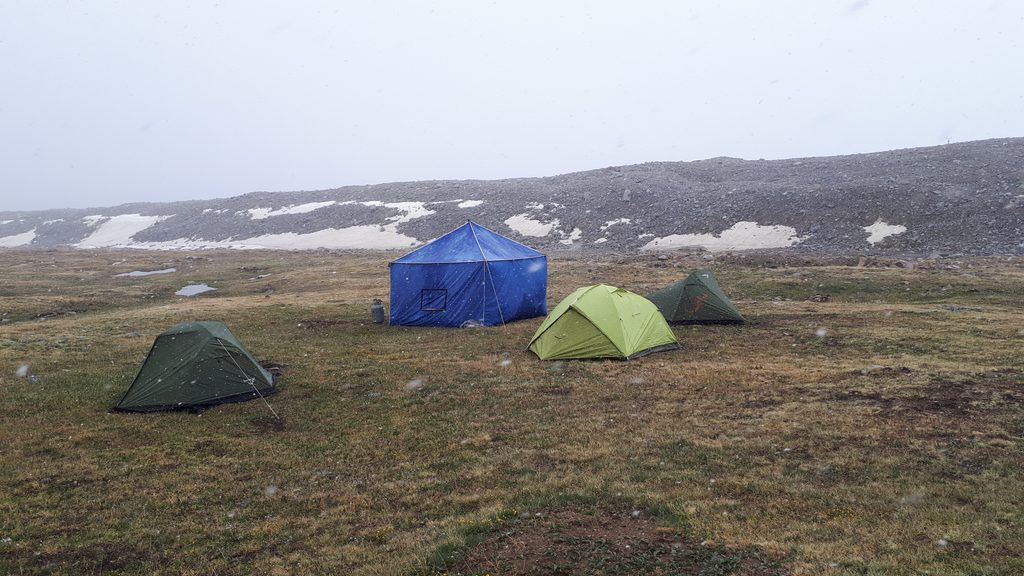
Comfortable Mountain Camping
Our trekking arrangements can include suitable expedition tents, sleeping mats, a dining tent where appropriate, and essential cooking and camp equipment.
A typical campsite may be established in a mountain valley, near a river or at an appropriate location with views of the surrounding peaks.
Each evening, the team prepares camp while you relax, enjoy a hot meal and take in the changing colors of the mountains.
What Is Included in the Camping Setup?
Depending on the package you choose, the camping equipment can include:
- Weather-appropriate sleeping tents.
- Sleeping mats.
- A communal dining tent for meals, where suitable.
- Tables, chairs and cooking equipment where practical.
- Kitchen utensils, food storage and meal supplies.
- Lighting and essential camp equipment.
- Waste collection and responsible campsite management.
A suitable sleeping bag is essential in the Altai’s cold mountain environment. You should confirm whether it is provided, available for rent or needs to be brought personally.
Mountain temperatures can fall sharply at night, even during summer. Snow, strong winds and sudden changes in weather are possible, so camping equipment must be appropriate for the expected conditions.
Where Do We Sleep Each Night?
Your exact overnight locations depend on the selected trekking route.
- At the trailhead: You may camp near the designated starting point before beginning the main trek.
- In mountain valleys: You may stay in tents at suitable campsites while exploring the surrounding landscape.
- Near the mountain base camp: Some itineraries include camping in the wider Tavan Bogd mountain area, subject to route permissions and conditions.
- On the return route: You may camp for an additional night if the distance to the pickup point makes this necessary.
There are no guaranteed hotel-style facilities along most remote trekking routes. Toilets, washing facilities, electricity and mobile reception may be limited or unavailable. The team will explain the actual facilities available for your selected itinerary.
All campsites should be chosen with safety, environmental protection and applicable park rules in mind.
Trekking Difficulty: Is This Adventure Right for You?
The Altai Mountain trekking experience is best suited to travelers who enjoy outdoor adventures, remote landscapes and basic wilderness camping.
The difficulty depends on your selected route. A valley trek with glacier viewpoints is different from a high-altitude summit climb, and these activities should not be presented as equivalent.
Moderate Trekking
A moderate itinerary may be suitable for travelers who:
- Can comfortably walk for several hours a day.
- Have reasonable general fitness.
- Are comfortable walking on uneven natural terrain.
- Can manage changes in weather and temperature.
- Are willing to sleep in tents and use basic wilderness facilities.
Typical days might involve approximately four to six hours of walking, depending on terrain, elevation and stops.
Moderate-to-Challenging Trekking
More demanding itineraries may include:
- Longer walking days and steeper ascents.
- Uneven, rocky or loose terrain.
- Higher elevations and colder conditions.
- Longer distances between camps.
- Limited opportunities to rest indoors.
- Greater exposure to wind, rain or sudden weather changes.
Some days may involve six to eight hours or more of walking. These figures are illustrative; the actual daily schedule should be published with the chosen route.
High-Altitude Trekking and Mountaineering
Routes involving summit attempts, glacier crossings or technical climbing require additional planning and assessment.
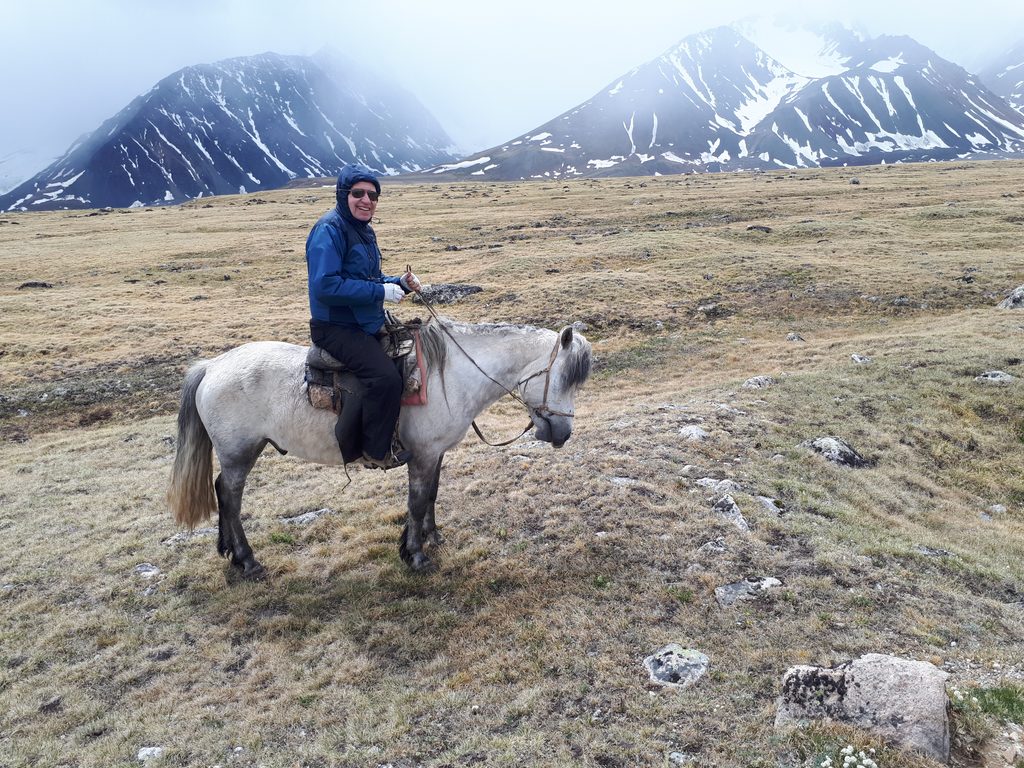
For example, an ascent of Khüiten Peak is a mountaineering objective, not simply an extension of an ordinary hiking tour. It requires appropriate technical skills, specialist equipment, qualified mountain leadership and suitable weather and snow conditions.
Do not assume that ordinary trekking equipment or a standard trekking guide is sufficient for glacier travel or technical climbing.
Fitness Preparation
We recommend regular walking, hiking, stair climbing and cardiovascular exercise before departure. Longer practice hikes with a loaded daypack can also help you prepare.
Travelers should be comfortable with consecutive days of physical activity and outdoor sleeping.
Altitude affects people differently, regardless of fitness. The guide may adjust the pace or itinerary to allow for acclimatization, and any symptoms of altitude illness should be taken seriously.
Suggested 10-Day Altai Mountain Trekking Itinerary
The following itinerary is an example of how a guided expedition can be organized. The final route, camping locations and daily walking distances will depend on current access, weather, permissions and your chosen trekking objective.
Day 1: Arrival in Ulaanbaatar
Arrive in Mongolia’s capital and transfer to your hotel.
Depending on your arrival time, explore the city or relax after your international flight. Your guide or tour coordinator can provide a trip briefing and review the equipment checklist.
Overnight: Hotel in Ulaanbaatar.
Day 2: Fly to Ölgii
Take a domestic flight to Ölgii, the gateway to western Mongolia’s Altai region.
Upon arrival, meet your local team and transfer to your accommodation. Check your personal trekking equipment, purchase any remaining supplies and discuss the route, weather, safety arrangements and planned departure.
If time permits, explore the town and learn about the Kazakh culture that makes Bayan-Ölgii distinct from other parts of Mongolia.
Overnight: Hotel or ger camp in Ölgii.
Day 3: Drive into Altai Tavan Bogd National Park
After breakfast, depart by 4WD vehicle for the national park.
Travel through the remote landscapes of western Mongolia, with stops for photographs and rest breaks as conditions allow.
Upon reaching the designated trailhead or starting camp, meet the support crew, organize your equipment and prepare for the trekking days ahead.
Depending on the route and arrival time, you may enjoy a short acclimatization walk or simply settle into camp.
Overnight: Tent camping in the designated mountain area.
Day 4: Begin the Mountain Trek
After breakfast, begin trekking through the mountain landscape.
Follow the selected trail through broad valleys, open terrain and mountain scenery, taking time to appreciate the scale and isolation of the Mongolian Altai.
Your guide sets a suitable pace, schedules rest stops and helps the group adapt to the conditions.
The cook prepares meals and the support team manages camp logistics according to the agreed arrangements.
Overnight: Tent camping.
Day 5: Explore the High Altai Landscapes
Continue trekking toward the main scenic area selected for your expedition.
Depending on the route, you may enjoy views of snow-covered peaks, rocky ridges, alpine terrain and the surroundings of the Potanin Glacier.
Your guide will select suitable viewpoints according to the group’s abilities, weather and ground conditions.
Photographers can take advantage of changing light across the mountains, while those interested in nature can enjoy the quiet atmosphere of the high-altitude landscape.
Overnight: Tent camping.
Day 6: A Full Day of Trekking and Exploration
Spend another day exploring the selected trekking area.
Depending on your itinerary, this may be a longer hike, a visit to an additional viewpoint or an optional extension toward a designated mountain destination.
The route should be chosen to match the group’s fitness, altitude tolerance and experience.
Technical glacier travel or summit climbing is not included unless explicitly specified and properly supported as a separate mountaineering objective.
Overnight: Tent camping.
Day 7: Return Trek to the Pickup Point
After breakfast, begin the return journey toward the designated meeting point.
Enjoy your final views of the mountains as you retrace the route or follow an alternative approved trail.
At the agreed pickup point, your driver and vehicle will meet the group. The guide and driver will coordinate the transfer based on the route and expected arrival time.
Depending on the distance and road conditions, the group may spend another night camping rather than attempting a long drive late in the day.
Overnight: Tent camping or other pre-arranged accommodation, depending on the route.
Day 8: Drive Back to Ölgii
Meet your driver and begin the return journey to Ölgii.
After several days in the mountains, enjoy the change of scenery as you travel back through the valleys and open landscapes of Bayan-Ölgii.
Upon arrival, transfer to your hotel or ger camp, take a hot shower, rest and enjoy a comfortable evening.
You may choose to explore local shops, enjoy a restaurant meal or simply relax after the trek.
Overnight: Hotel or ger camp in Ölgii.
Day 9: Enjoy Ölgii and Local Kazakh Culture
Enjoy a relaxed day in Ölgii or choose an optional cultural experience.
Possible activities include visiting local markets, learning about Kazakh traditions, meeting a local family or arranging an eagle-hunter cultural visit when available.
This additional night also provides flexibility in case road conditions or weather affect the return schedule.
Overnight: Hotel or ger camp in Ölgii.
Day 10: Fly Back to Ulaanbaatar
After breakfast, transfer to Ölgii Airport for your domestic flight to Ulaanbaatar.
On arrival in the capital, continue to your hotel or connect with your onward international flight if the schedules allow.
We recommend leaving a sufficient buffer between your domestic flight and international departure because flights and mountain-road transfers can be affected by weather and operational changes.
End of the Altai Mountain trekking adventure.
Where to Stay in Ölgii Before and After the Trek
Ölgii is the main gateway to Altai Tavan Bogd National Park. It is the most practical place to organize supplies, meet your local trekking team, confirm permissions and arrange transport into the mountains.
Before the trek, a hotel or ger camp provides a comfortable place to prepare. After the trek, it is the perfect opportunity to enjoy a warm shower, a proper bed and a relaxing meal.
Option 1: Hotels and Guesthouses
Hotels and guesthouses in Ölgii are suitable for travelers who prefer a conventional room, a private sleeping space and easy access to town facilities.
Depending on the property, facilities may include private bathrooms, heating, breakfast, Wi-Fi and assistance with airport transfers.
Accommodation availability and room standards vary, especially during the busy summer trekking season. We recommend confirming the exact room type, bathroom facilities and meal arrangements before booking.
Option 2: Traditional Ger Camps
A ger camp offers a more culturally distinctive stay in a traditional Mongolian dwelling.
Depending on the property, guests may sleep in furnished gers with beds, heating and access to shared or private washing facilities. Some camps also provide meals and views of the surrounding landscape.
Ger camps can be particularly appealing for travelers who want to experience Mongolian hospitality before or after spending several nights in a mountain tent.
Examples of Accommodation in Ölgii
The following local properties are possible starting points for your accommodation planning. Their current services, prices, operating dates and availability should be confirmed directly before offering them as guaranteed options.
- Tulpar Guesthouse & Tours: A locally run guesthouse that also provides tour-related services.
- Ulgii-Tours Guest House: A guesthouse associated with traditional ger-style accommodation.
- Traveller’s Guest House: A traveler-oriented guesthouse and hostel.
- ZARYA Hotel: A small hotel option for visitors seeking a conventional room.
- Eagle Ger Camp: A ger-style accommodation option near Ölgii.
- Altai Peaks Tourist Ger Camp: A ger camp option for travelers exploring the Altai region.
- Grand Altai Travel Guest House & Ger Camp: A locally operated guesthouse and ger-camp option with tour services.
Travelers should compare location, comfort, meals, shower facilities, room arrangements and transfer options before choosing.
We can arrange suitable accommodation in Ölgii as part of the overall trekking package, subject to availability and the agreed package inclusions.
What Is Included in the Trekking Package?
A well-organized Altai trekking package can include the essential services required for a supported mountain expedition.
Included Services
- Airport pickup in Ölgii on the agreed arrival date.
- Domestic airport transfers where specified.
- Hotel or ger-camp accommodation in Ölgii, according to the selected package.
- 4WD transportation between Ölgii and the designated trekking area.
- Return pickup from the agreed mountain trailhead or meeting point.
- Experienced local trekking guide.
- English-speaking guide, if specified in the booking.
- Dedicated trekking cook.
- Additional camping crew where required.
- Tents and agreed camping equipment.
- Sleeping mats and communal dining equipment, according to the package.
- Meals during the trekking portion.
- Drinking-water arrangements or water-treatment provisions, as specified.
- Pack animals and handlers, if included for the chosen route.
- National park entry arrangements and applicable permits, where explicitly included.
- Pre-trip briefing and route planning.
Not Included Unless Specifically Arranged
- International flights to and from Mongolia.
- Domestic flights between Ulaanbaatar and Ölgii, unless included in the package.
- Accommodation in Ulaanbaatar.
- Personal sleeping bags or specialized personal equipment.
- Travel insurance and emergency medical evacuation coverage.
- Personal expenses, alcoholic beverages and optional activities.
- Tips for guides, drivers and support staff.
- Additional accommodation or transport caused by itinerary changes outside the agreed package.
- Mountaineering equipment or specialist climbing services for optional technical objectives.
- Any fees, permits or services not listed in the confirmed booking.
The final inclusions and exclusions should always be clearly stated in the quotation so travelers know exactly what their payment covers.
Best Time to Trek in the Altai Mountains
The main trekking season is generally from June to September, although the best period depends on the specific route, snow conditions and the type of experience you want.
June: Mountain scenery can be especially dramatic, but snow, cold temperatures and difficult trail conditions may affect access to higher areas.
July: A popular period for summer trekking, with long daylight hours and generally more favorable conditions on many routes. Weather remains unpredictable in the mountains.
August: Often a good time for trekking, photography and exploring the high mountain valleys, subject to current weather and route conditions.
September: The landscape can be beautiful and autumn colors may appear, but nights become colder and snowfall may affect access. Some services may operate on reduced schedules.
Mountain weather can change quickly at any time of year. The guide may need to modify the itinerary or postpone a hike for safety reasons.
What to Pack for Your Altai Trek
Although the support team provides the agreed group camping equipment, each traveler should bring suitable personal clothing and equipment.
Recommended personal items include:
- Broken-in trekking boots with good traction.
- Warm hiking socks and spare pairs.
- Moisture-wicking base layers.
- Insulating fleece or down jacket.
- Waterproof and windproof jacket and trousers.
- Warm hat, gloves and sun protection.
- Comfortable trekking trousers.
- Daypack and rain protection.
- Personal sleeping bag suitable for expected temperatures, unless provided.
- Headlamp and spare batteries.
- Reusable water bottles and any recommended water-treatment equipment.
- Sunglasses and sunscreen.
- Personal medication and a small first-aid kit.
- Personal toiletries and quick-drying towel.
- Passport and any required travel documents.
- Camera, power bank and spare batteries.
For higher-altitude or technical routes, your guide will provide an additional equipment list.
Safety and Responsible Travel
Safety is a priority when traveling through remote mountain terrain.
Our trekking arrangements should be based on a realistic assessment of weather, terrain, group fitness and available support. The guide may change the route, shorten a trekking day or cancel a planned ascent if conditions become unsafe.
Travelers should arrange insurance that explicitly covers their planned trekking activities, relevant altitude limits and emergency medical evacuation.
Before departure, we will explain the expected physical demands, available facilities, emergency communication arrangements and any limitations of support in the remote mountain area.
We also encourage responsible travel throughout the expedition:
- Carry out all rubbish and leave campsites clean.
- Respect local communities, livestock and wildlife.
- Ask permission before photographing people or entering private family spaces.
- Follow park rules and your guide’s instructions.
- Use established or approved routes where appropriate.
- Avoid disturbing wildlife or damaging fragile alpine vegetation.
- Support local guides, drivers, cooks and community businesses.
Traveling responsibly helps protect the landscape and supports the communities that make this destination special.
Frequently Asked Questions
Do I need a guide to trek in Altai Tavan Bogd?
A local guide is strongly recommended because of the remote terrain, changing weather, limited infrastructure and route-finding challenges. Applicable park and border-zone rules should be confirmed for your specific route. Our guided package can coordinate the local logistics and permissions.
How do I get to the national park?
The usual route is to fly from Ulaanbaatar to Ölgii, then travel by a suitable 4WD vehicle to the designated trekking area.
Will someone pick us up after the trek?
Yes. The itinerary should include a pre-arranged pickup by your local driver at the agreed trailhead or meeting point. The guide and driver coordinate the return based on the route, walking pace and road conditions.
Do I need to carry my own camping equipment?
Not all equipment needs to be carried personally. Our supported trekking packages can provide group camping equipment, cooking supplies and transport for luggage and food. A daypack and suitable personal clothing are still necessary. Confirm whether your sleeping bag and sleeping mat are included.
Is food provided during the trek?
Meals can be prepared by a dedicated cook. The final menu and meal schedule depend on the package, available supplies and any dietary requirements communicated before departure.
Where will we sleep during the trek?
You will generally sleep in expedition tents at suitable campsites along the selected route. Conventional hotels and fully equipped lodges are not available along most remote trekking sections.
Where do we stay after returning to Ölgii?
You can choose a hotel, guesthouse or ger camp. Accommodation can be arranged as part of your trekking package, subject to availability and the agreed room type.
How difficult is the trek?
The difficulty depends on the route. Standard trekking itineraries can range from moderate to challenging. High-altitude summit attempts and technical glacier routes require additional skills, equipment and specialist leadership.
Can beginners join?
Travelers with good general fitness may be able to join a carefully selected moderate route. We recommend discussing your hiking experience, health considerations and expectations with the tour organizer before booking.
What happens if the weather is bad?
The guide will assess the conditions and may change the route, delay departure or cancel a planned hike if necessary. In remote terrain, flexibility is essential.
Can I join a private or small-group trek?
Yes. Depending on the operator’s arrangements, the expedition can be organized as a private tour or a small-group departure. The price and support arrangements will depend on group size, duration and selected route.
Can I combine trekking with Kazakh cultural experiences?
Yes. Before or after the trek, you may be able to arrange a visit with a local Kazakh family, an eagle-hunting cultural experience or other regional activities. These should be booked in advance and depend on availability.
Begin Your Altai Mountain Adventure
Discover the spectacular landscapes of western Mongolia with a trekking experience that combines mountain exploration, local knowledge, wilderness camping and authentic cultural encounters.
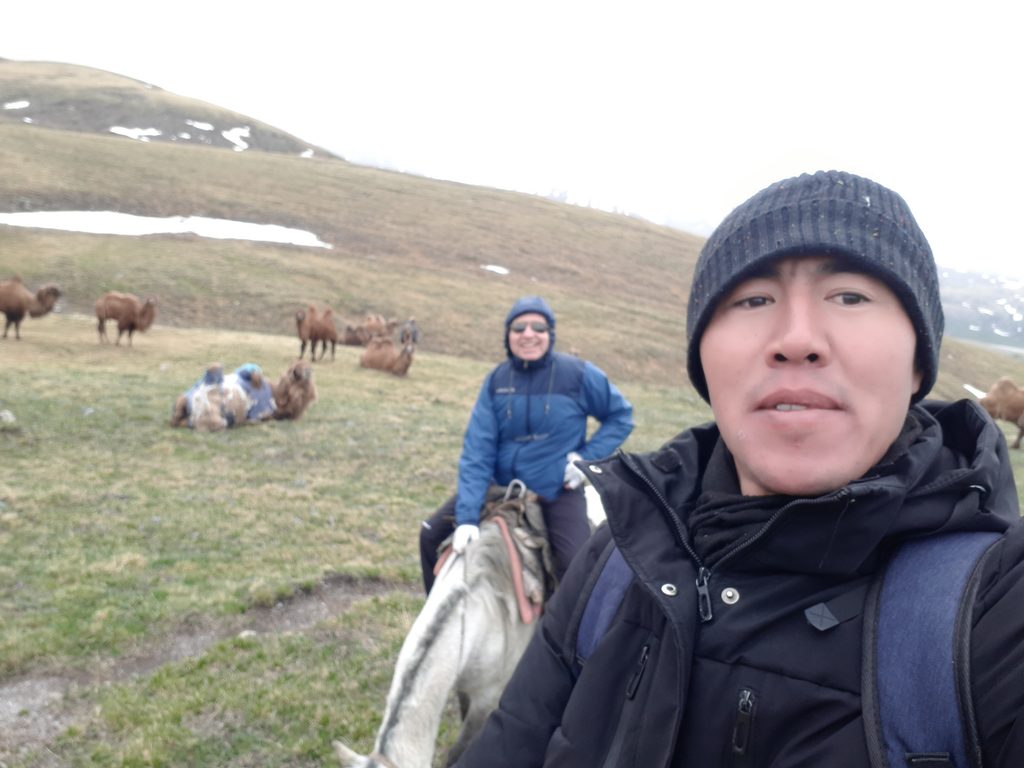
From the moment you arrive in Ölgii to the day your driver brings you back from the mountains, our goal is to make your journey organized, welcoming and memorable.
Ready to explore the Mongolian Altai?
Contact us to discuss your preferred travel dates, group size, trekking experience and desired route. We will help you choose a suitable itinerary, arrange the local support team and prepare a personalized proposal for your Altai Mountain trekking adventure.
Your adventure begins where the roads end and the wild mountains rise.