
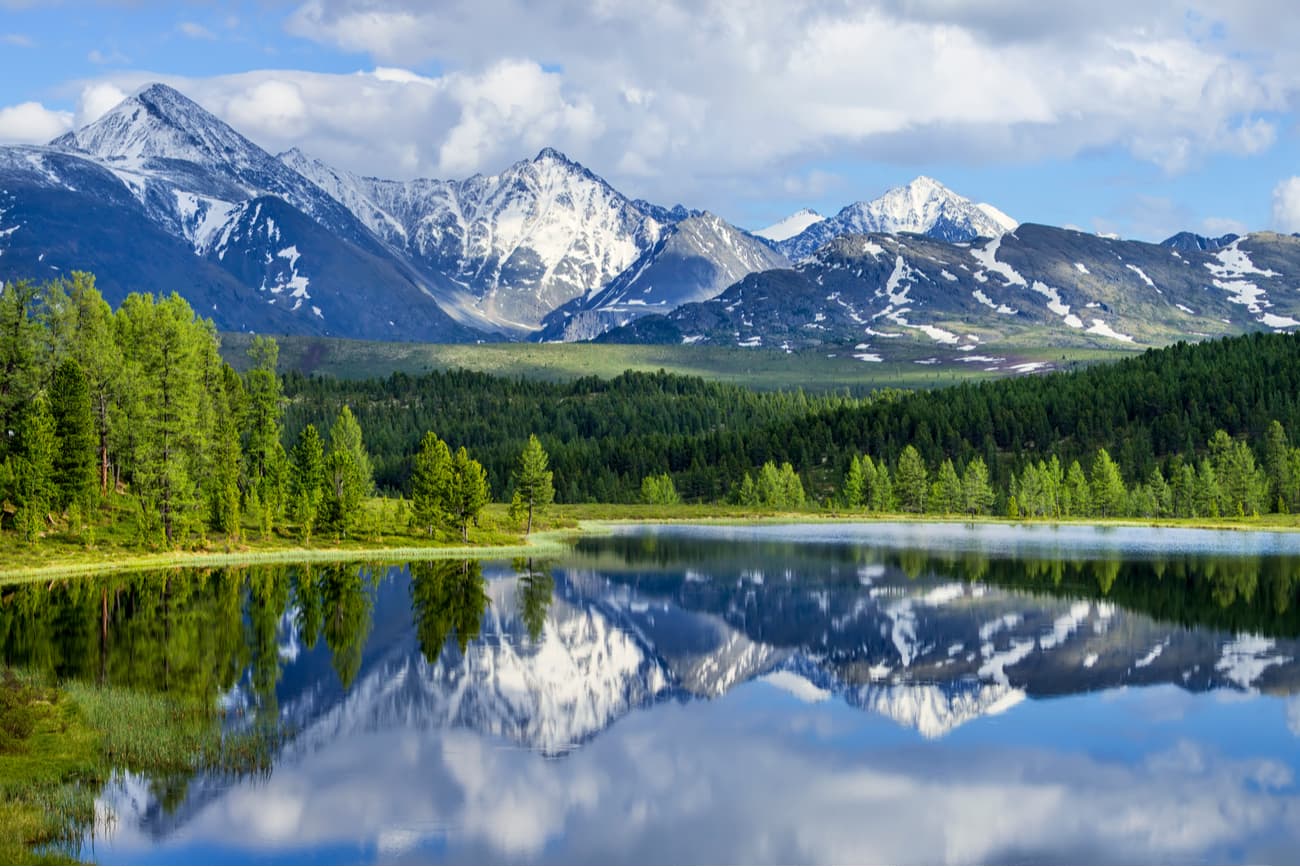
About Altai mountains in Mongolia
The Altai Mountains of Mongolia: The Ultimate Guide to a Wild Frontier
The Altai Mountains in western Mongolia are among the most spectacular and remote landscapes in Asia. Towering snow-capped peaks, massive glaciers, turquoise lakes, and ancient petroglyphs define this dramatic frontier. For trekkers, photographers, and cultural explorers, the Mongolian Altai offers one of the last true wilderness experiences on Earth.
Where Are the Altai Mountains?
The Mongolian section of the Altai range lies in the far west of the country, mainly within Bayan-Ölgii Province. The range forms part of a larger mountain system that stretches across Mongolia, Russia, China, and Kazakhstan.
The most famous protected area here is:
🏔 Altai Tavan Bogd National Park
This national park is the crown jewel of Mongolia’s high mountains.
What Does “Altai Tavan Bogd” Mean?
“Tavan Bogd” translates to “Five Saints”, referring to the five highest peaks in Mongolia clustered together near the borders of Russia and China.
The tallest is:
⛰ Khüiten Peak
- Elevation: 4,374 meters
- Highest mountain in Mongolia
- Glaciated summit
- Requires mountaineering skills to climb
Landscape & Natural Beauty
The Mongolian Altai is dramatically different from the central Mongolian steppe.
You’ll find:
- Snow-covered peaks year-round
- Massive glaciers (Potanin Glacier is the longest in Mongolia)
- High-altitude alpine lakes
- Rocky valleys and tundra
- Golden eagle-filled skies
The region feels closer to Patagonia or the Alps — but with far fewer people.
Wildlife of the Altai
The mountains are home to rare and endangered species, including:
- Snow leopard
- Siberian ibex
- Argali sheep
- Golden eagle
While snow leopards are extremely elusive, ibex and eagles are more commonly spotted during treks.
The Kazakh Eagle Hunters
One of the most fascinating aspects of the Altai region is its culture. Most people in Bayan-Ölgii are ethnic Kazakhs, not Mongolians.
They are famous for:
- Hunting with trained golden eagles
- Traditional fur clothing
- Nomadic pastoralism
Each autumn, the region hosts the renowned:
🦅 Golden Eagle Festival
This event showcases eagle hunting traditions passed down for centuries.
Trekking in the Altai Mountains
The Altai offers Mongolia’s best high-altitude trekking.
Popular Trekking Highlights:
- Base camp trek to Tavan Bogd peaks
- Potanin Glacier hike
- Lakes Khoton & Khurgan region
- Multi-day horse-supported expeditions
Difficulty Level:
- Moderate to challenging
- 5–8 hours walking per day
- River crossings
- Rocky terrain
- Altitude up to 3,000–3,500 meters for trekking
Mountaineering routes require technical skills.
Best Time to Visit
☀ June – September
- Best weather window
- Clear skies
- Accessible roads
July and August are peak trekking months.
Outside this period:
- Snow blocks mountain access
- Temperatures drop dramatically
How to Get There
International travelers arrive in:
✈ Chinggis Khaan International Airport
Located in Ulaanbaatar.
From there:
- Domestic flight to Ölgii town (Bayan-Ölgii Province)
OR - 2–3 day overland 4×4 drive (very rugged)
Most travelers join organized trekking tours due to remoteness.
Accommodation
Options include:
- Camping (most common for trekkers)
- Staying in traditional Kazakh gers
- Basic local guesthouses in Ölgii
Luxury infrastructure is minimal — this is a true wilderness destination.
Climate & Conditions
The Altai has a harsh continental climate:
- Summer days: 10–20°C
- Summer nights: 0–5°C
- Strong winds common
- Weather changes rapidly
A warm sleeping bag (rated to at least -5°C) is essential.
Permits & Practical Tips
- Border permits are required (near Russia/China borders)
- National park entrance fee applies
- Guides are strongly recommended
- Travel insurance must cover evacuation
There are:
- No marked trails
- No rescue stations
- Limited mobile signal
Preparation is critical.
Why the Altai Mountains Are Special
Unlike heavily trafficked mountain destinations, the Mongolian Altai remains:
- Wild
- Untouched
- Culturally authentic
- Vast and silent
You can trek for days without seeing another group.
It combines:
- Himalayan-scale landscapes
- Central Asian nomadic culture
- True expedition-style adventure
Final Thoughts
The Altai Mountains of Mongolia are not just a destination — they are an experience of raw wilderness and living tradition. Snow peaks, eagle hunters, glaciers, and endless horizons define this extraordinary corner of Asia.
For experienced trekkers, photographers, and cultural adventurers, the Altai offers one of the most rewarding journeys in Mongolia.
If you’d like, I can also create:
- A 10-day Altai trekking itinerary
- A detailed packing list specific to the Altai
- Or a cost breakdown for visiting
Just let me know. 🏔🦅